This section could get me into trouble. And that's the whole point.
Most academics would tell me not to hit publish on this page. Why? Because sharing this would undermine my professional standing. I think they're wrong. It's precisely because of what you're about to read that my reach, my work, and the impact I make on the world are so significant.
This isn't going to be the LinkedIn post that brags about the exceptional achievements of my career (honestly, I find it hard to make those too, it feels like lying and half-truths). This is the place you come to see just how challenging and messy building an academic and public career can be.
Let's begin.
HOW I GOT HERE
One lab that became two.
I started in an early cognitive development lab during my Honours year in 2014, studying how 12-month-olds learn to count. The study was a failure. My four-year goal of becoming a clinical psychologist derailed anyway, in favour of answering questions no one had ever asked before.
Just as I was stepping into my PhD, a single meeting exploded my plans. I went from safe and boring, re-investigating a well-documented learning deficit, to something no one could explain easily at dinner parties. Social robots. For babies. Literal infants. My first act as a PhD student was to walk into the engineering school and present to a room full of engineers (professors, lecturers, postdoctoral researchers, everything), not a single other behavioural scientist in the room.
I don't know what my engineering advisor saw in me to be so certain, on my first day of my doctorate, barely 22 years old, that I'd swim instead of sink when dropped in the deep end.
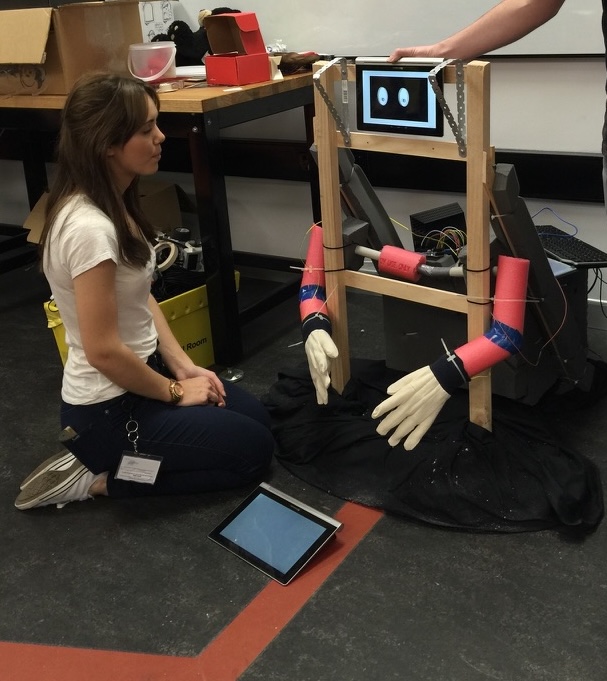
I was propelled into yet another field I had no experience with, in a country I'd never been to. The plane touched down in San Diego and I walked straight into the Temporal Dynamics of Learning Centre at UC San Diego. My hosts: a project scientist in the Qualcomm Institute and a cognitive neuroscience lab running neuronal-level research on rats, which was also custodian of a social robot built for 1-year-olds.
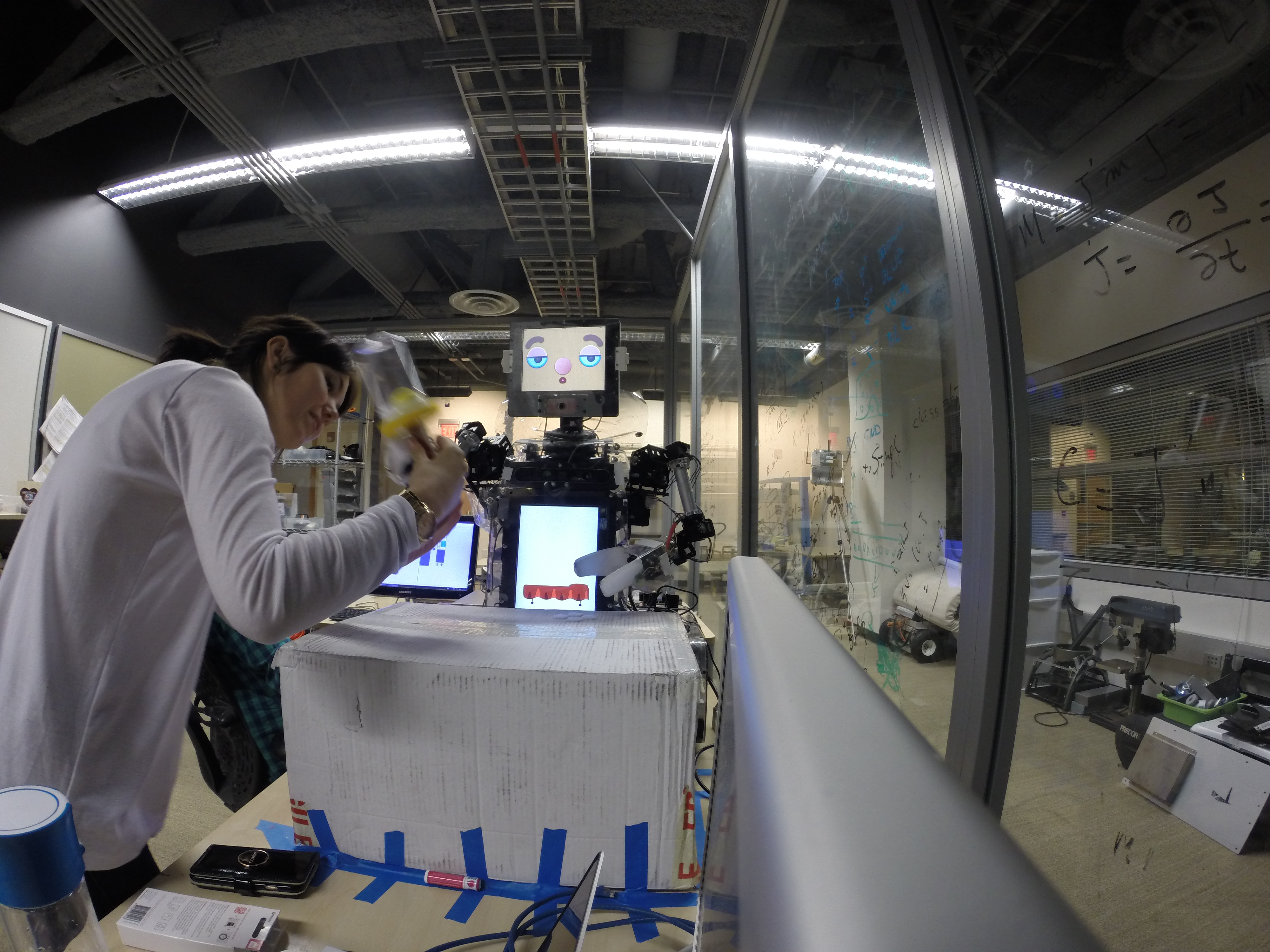
That first trip turned into five more over three years, interspersed with mornings in the campus childcare centre alongside the 1-year-olds pioneering my science with me, afternoons mingling with contextual roboticists and Salk Institute neuroscientists, and late nights alone in the lab, just the robot and me, programming experiments I was repeatedly told were physically impossible. (That last part will make more sense shortly.)
I flitted between engineering and psychology, cognitive science and linguistics (that's another story), in a perpetual identity crisis. Eventually my PhD supervisors told me they didn't think I'd complete on time; I had yet to write a single word with three months left. I was four weeks pregnant at the time, and I took that as a challenge. I wrote my thesis before my morning sickness eased and then submitted the approved thesis on my 26th birthday.
Three months out, not a word written. Four weeks pregnant. I took it as a challenge.
Then came the years I'd describe, charitably, as formative. Postpartum. COVID. A maternity leave that wasn't. The kind of rebuilding that doesn't look like anything from the outside until suddenly it looks like everything.
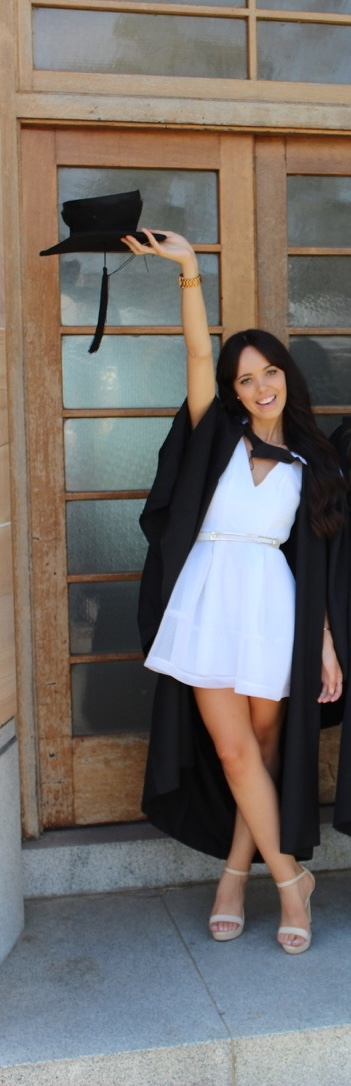
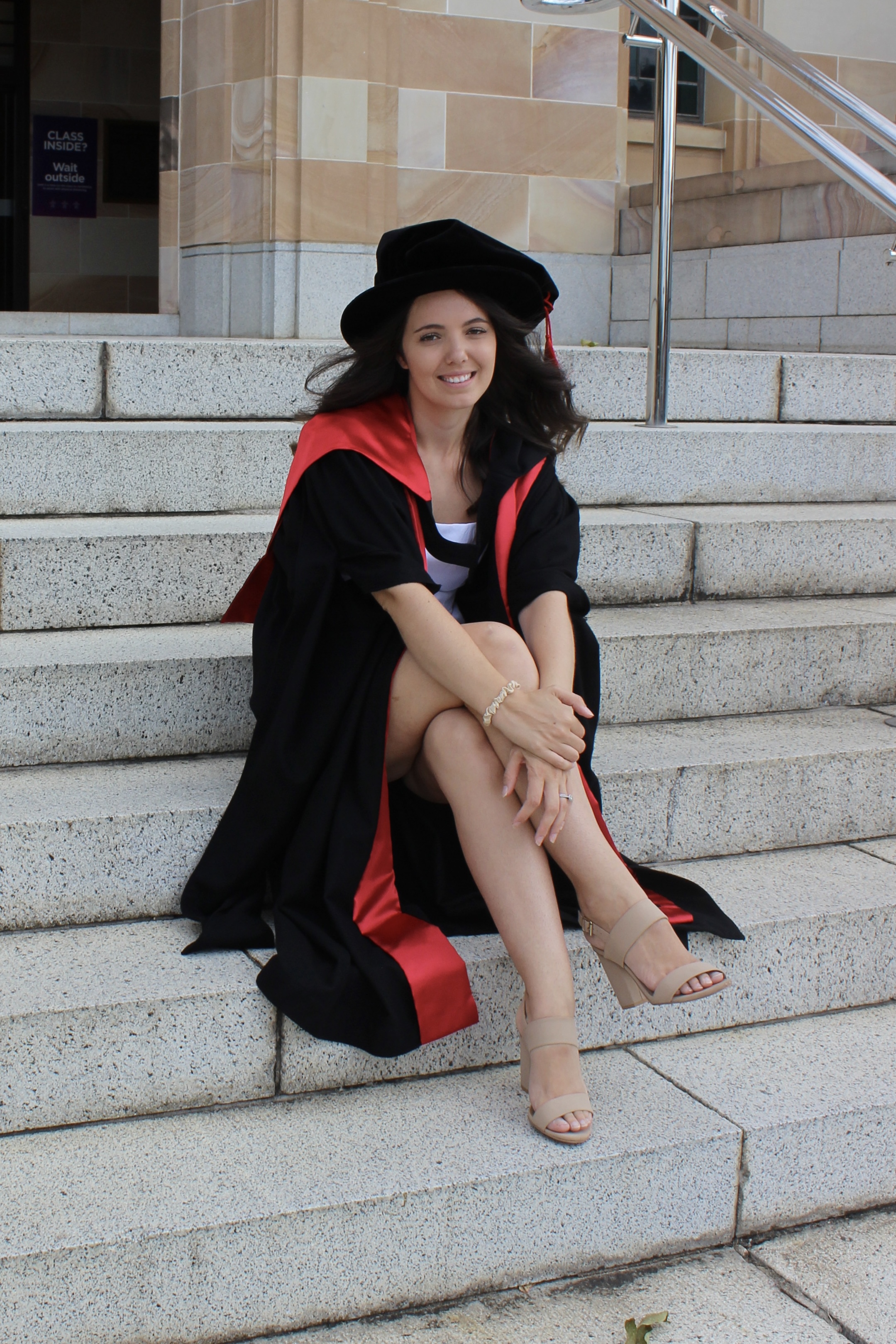
WHO I AM
A scientist who became a mother.
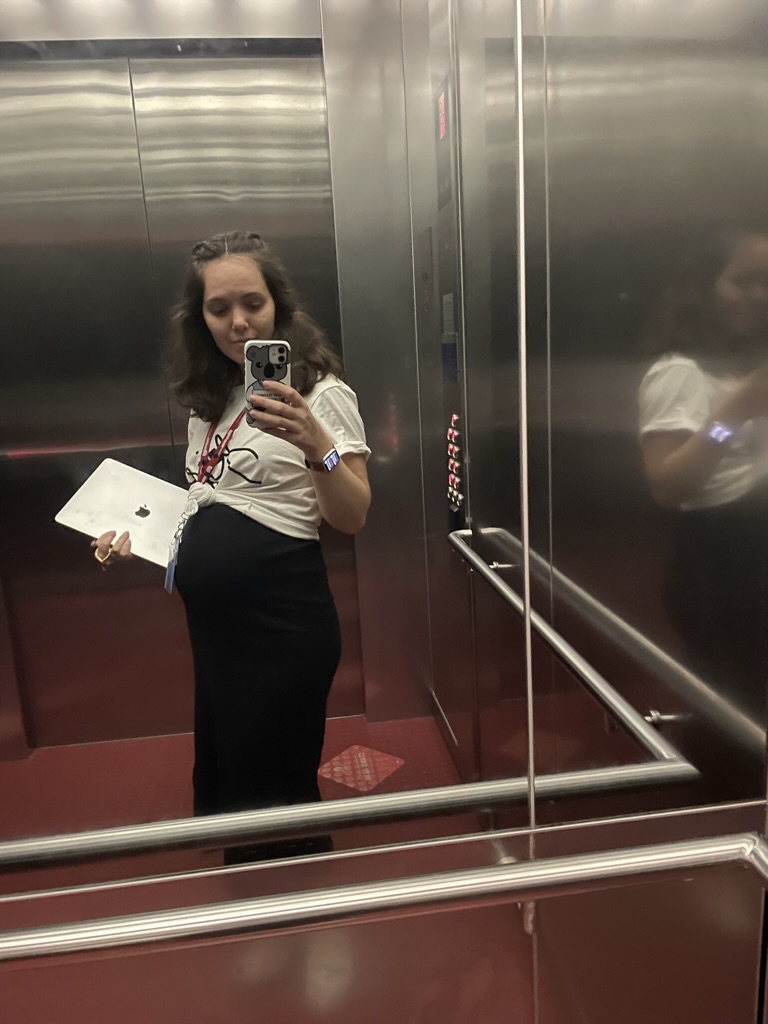
My first child arrived in October 2019. I was finishing my PhD. The pandemic arrived four months later.
I spent most of 2020 returning to work one day a week. Navigating postpartum depression and anxiety I didn't have a name for yet. Trying to hold on to a research identity I wasn't sure still existed.
Knowing the developmental science doesn't protect you from living it. That's something they don't cover in grad school.
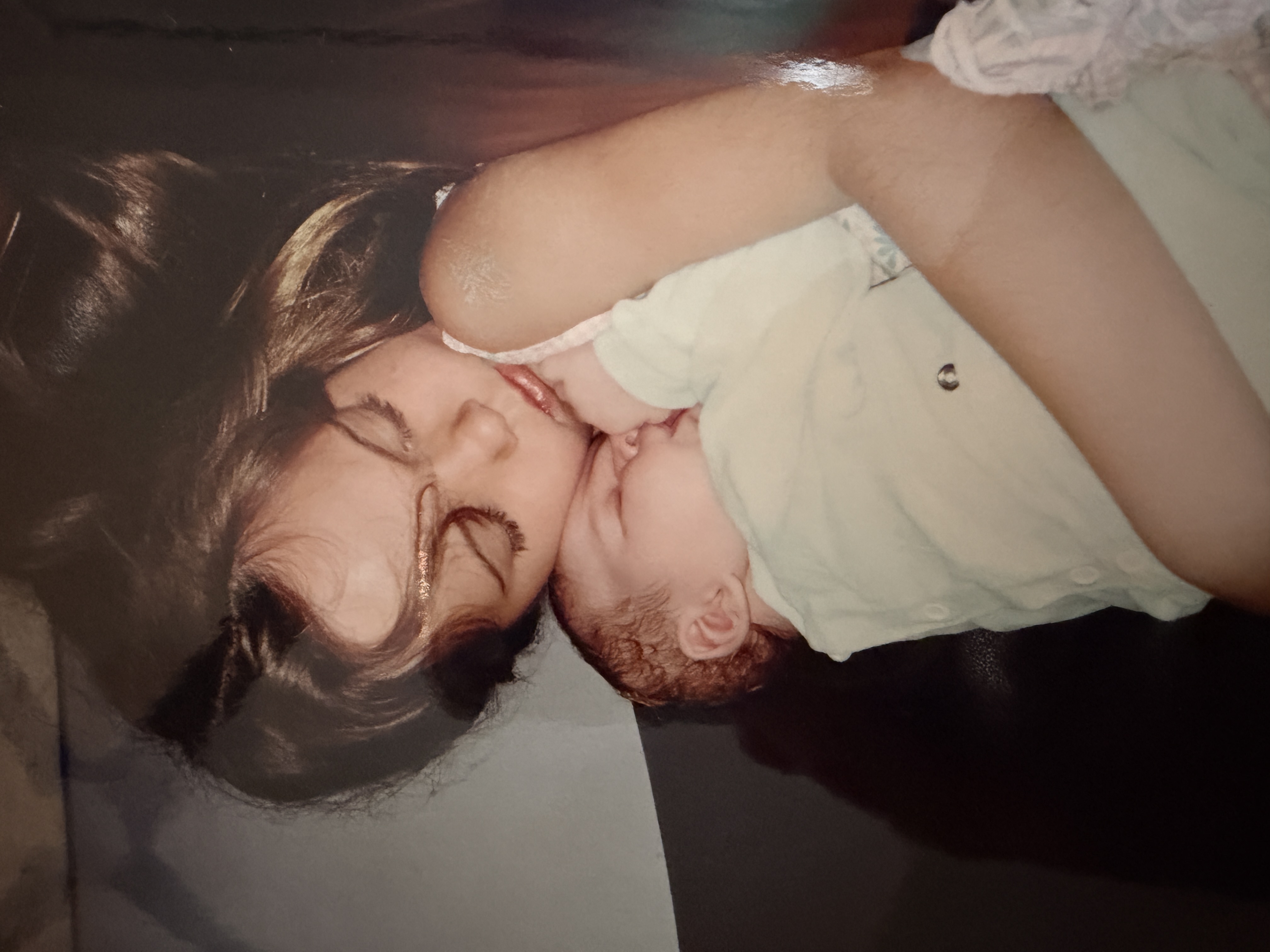
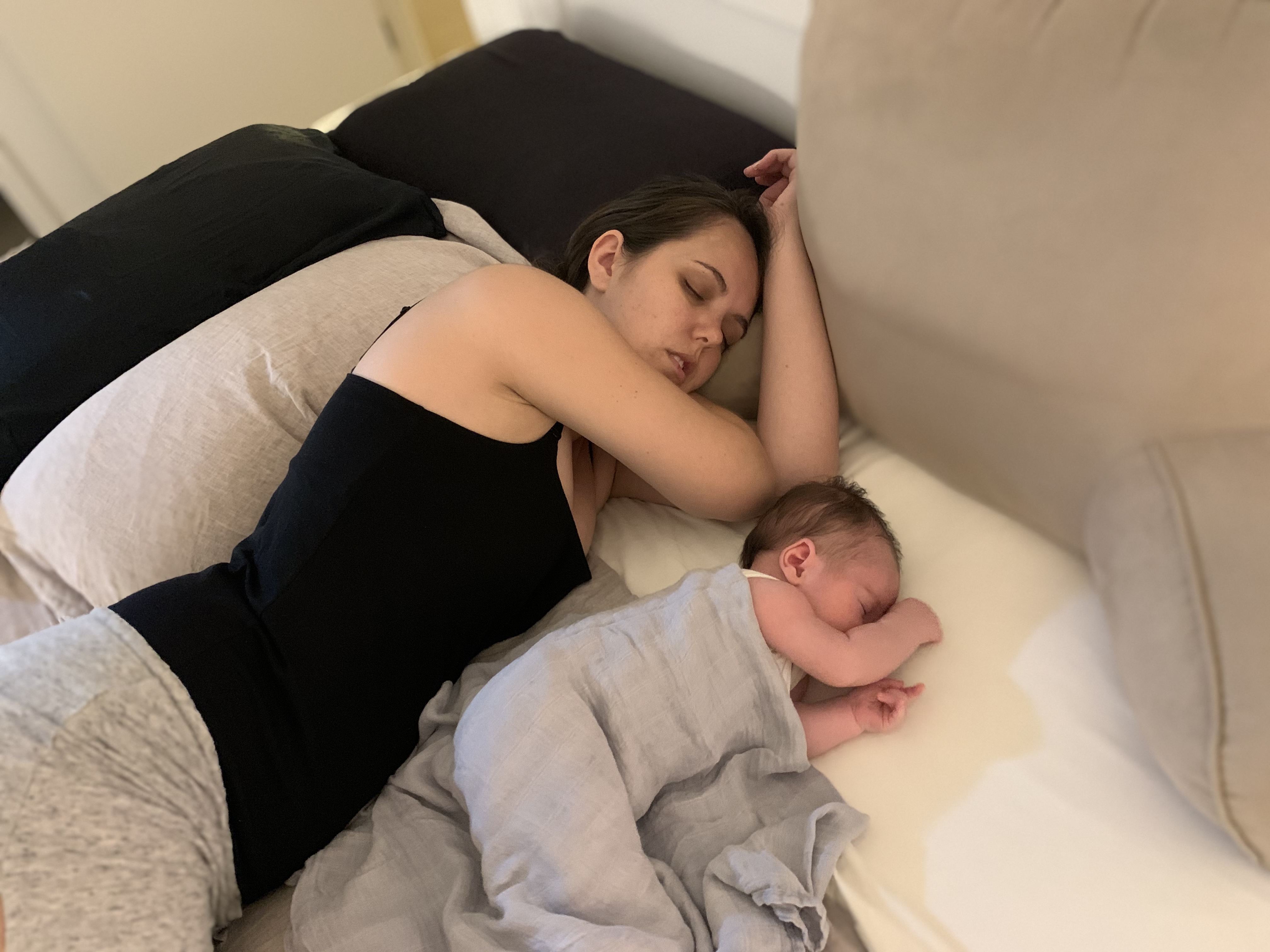
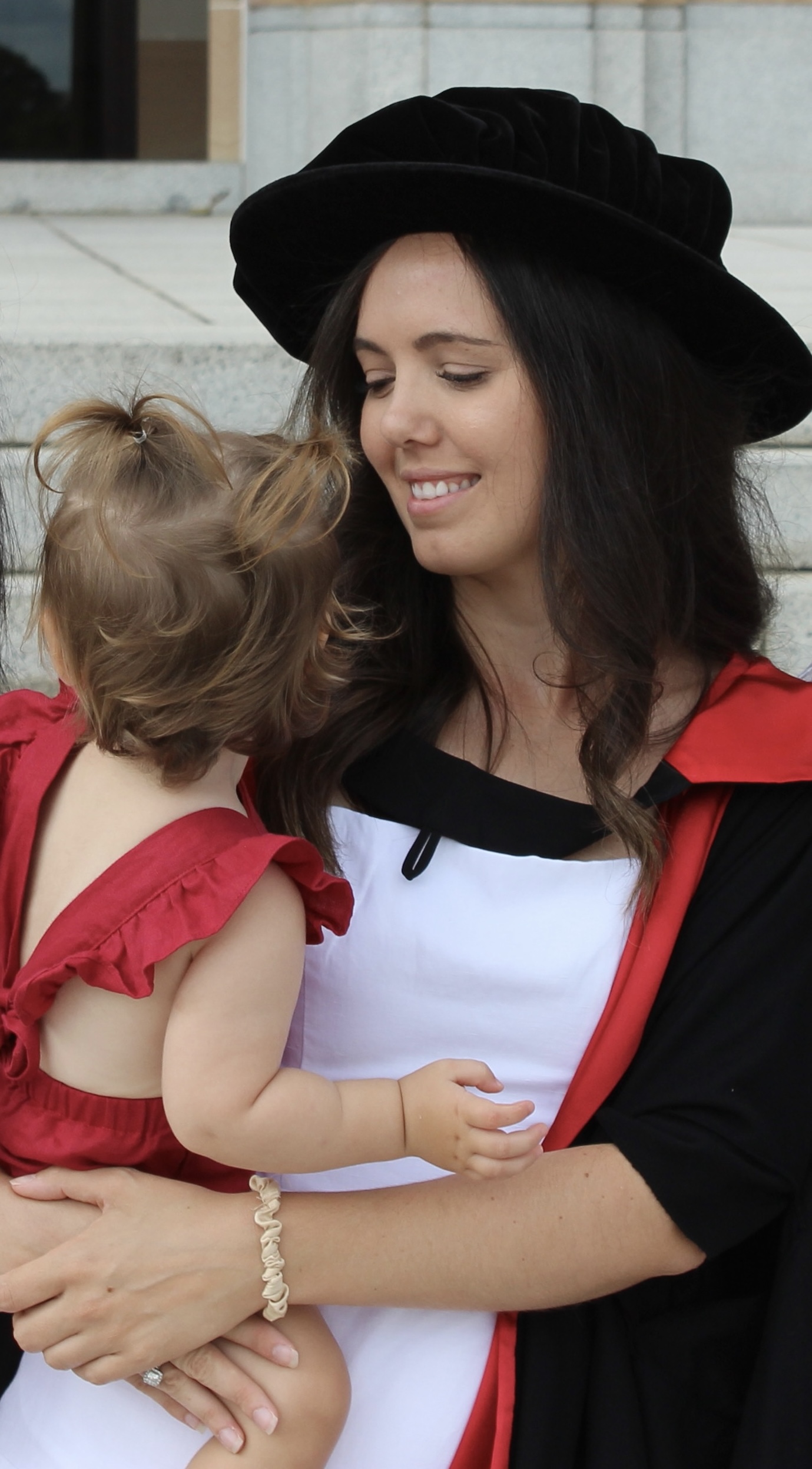
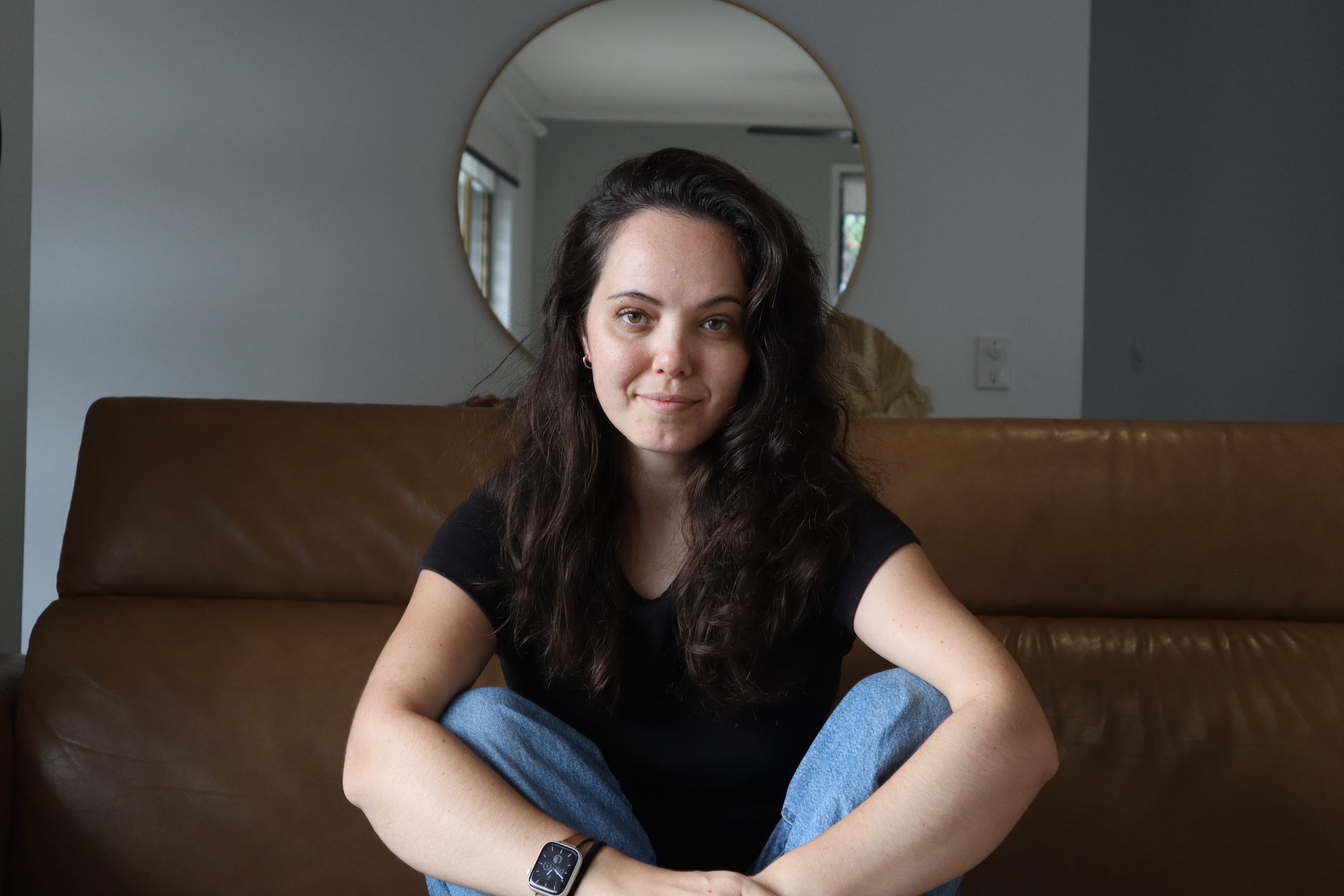
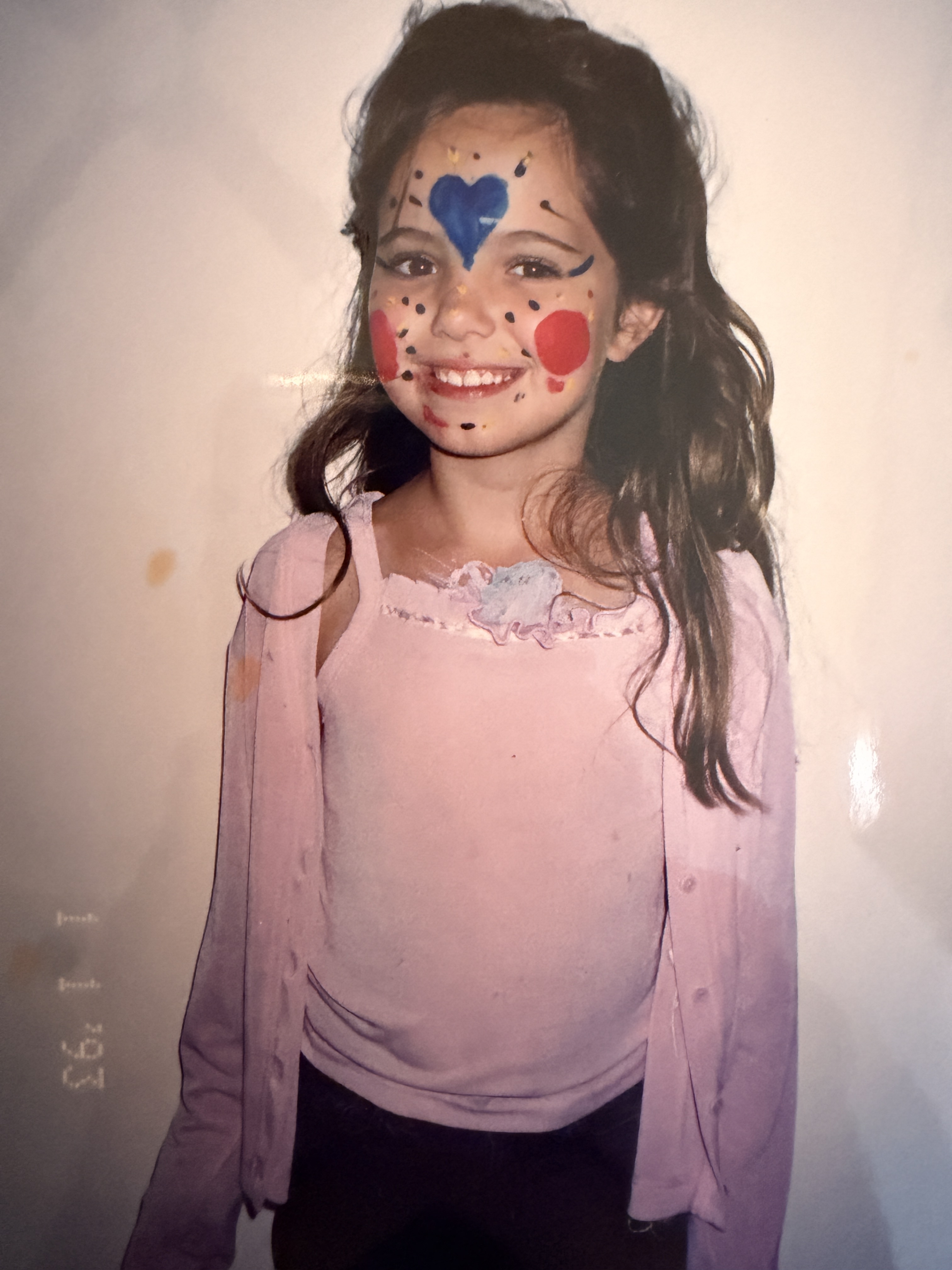
Nineteen years between these two photographs.
I started talking publicly about child development during those years. The research felt urgent when I was isolated and drowning, and I knew there were parents in the same place with no access to any of it. So I started a TikTok. Then a podcast. Then a website. Then I had 500,000 followers and I still hadn't figured out what to make for dinner.
My second child arrived in 2023. The career interruptions are documented on my CV, which I think is exactly right. They happened. They cost something. What they cost was the ignorance of a developmental scientist who'd only ever met children in the theoretical sense. What they gave back? A scientist who studies what she lives.
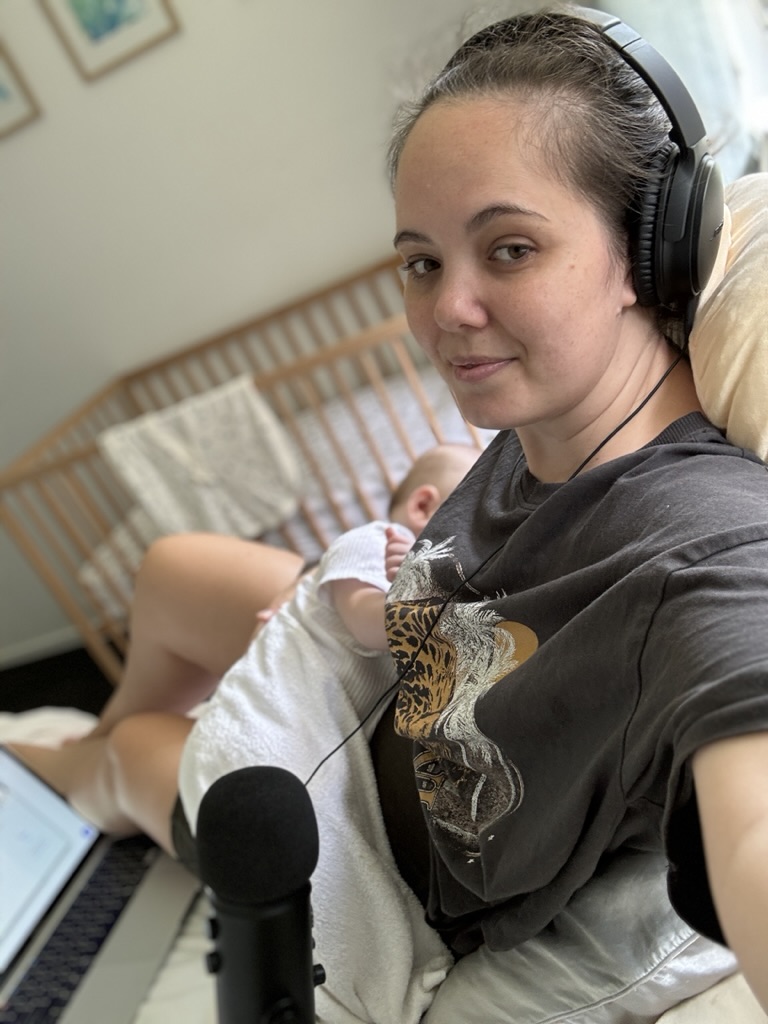
NEURODIVERGENCE
A diagnosis that named something already there.
I was 27 when autistic was first used in relation to the mystifying neural tapestry that was my mind. A clever psychiatrist pulled just the right thread (one left dangling by the reckoning that is postpartum).
I took a year to even consider whether the label fit, then another to try it on. Slowly, as I built a version of motherhood that actually fit me, I built the autistic identity alongside it.
Much later, when the postpartum fog lifted but the executive dysfunction did not, I went looking for the next piece. So now I'm a hat-trick: autistic, ADHD-inattentive, and ADHD-hyperactive. Together, they explained a lot. The hyperfocus that could produce a paper in a weekend. The executive function failures that meant I could never remember to hang the washing out. The way I'd been described as intense, too much, difficult to read, and surprisingly brilliant (hard emphasis on the surprise).
The diagnoses arrived in the thick of what is quintessentially the baby scientist years (a.k.a. the early career researcher years, ECR for short). They didn't change what I was good at. A PhD with undiagnosed, untreated ADHD that included three experiments on paper but twelve in reality. Not because I ran the wrong experiments. Simply because I could.
I chose the hard path.
My scientific career, by conventional standards, is still fragile. Peers and senior academics across the world told me that a baby before a continuing position is career-destroying. But I was raised in science by some of the most exceptional women you will ever meet, some with children and some without. They never balked at a pregnant PhD student. They championed the freshly postpartum postdoc.
I chose to have children when I wanted them. There are no rules. Embracing the part of my brain that had always felt like a failure for missing the unwritten ones taught me that. It inspired me to prove the doubters wrong. And it's part of why I claim my autistic identity in front of millions of people. The exceptional women who raised me up in science are why I stayed the course.
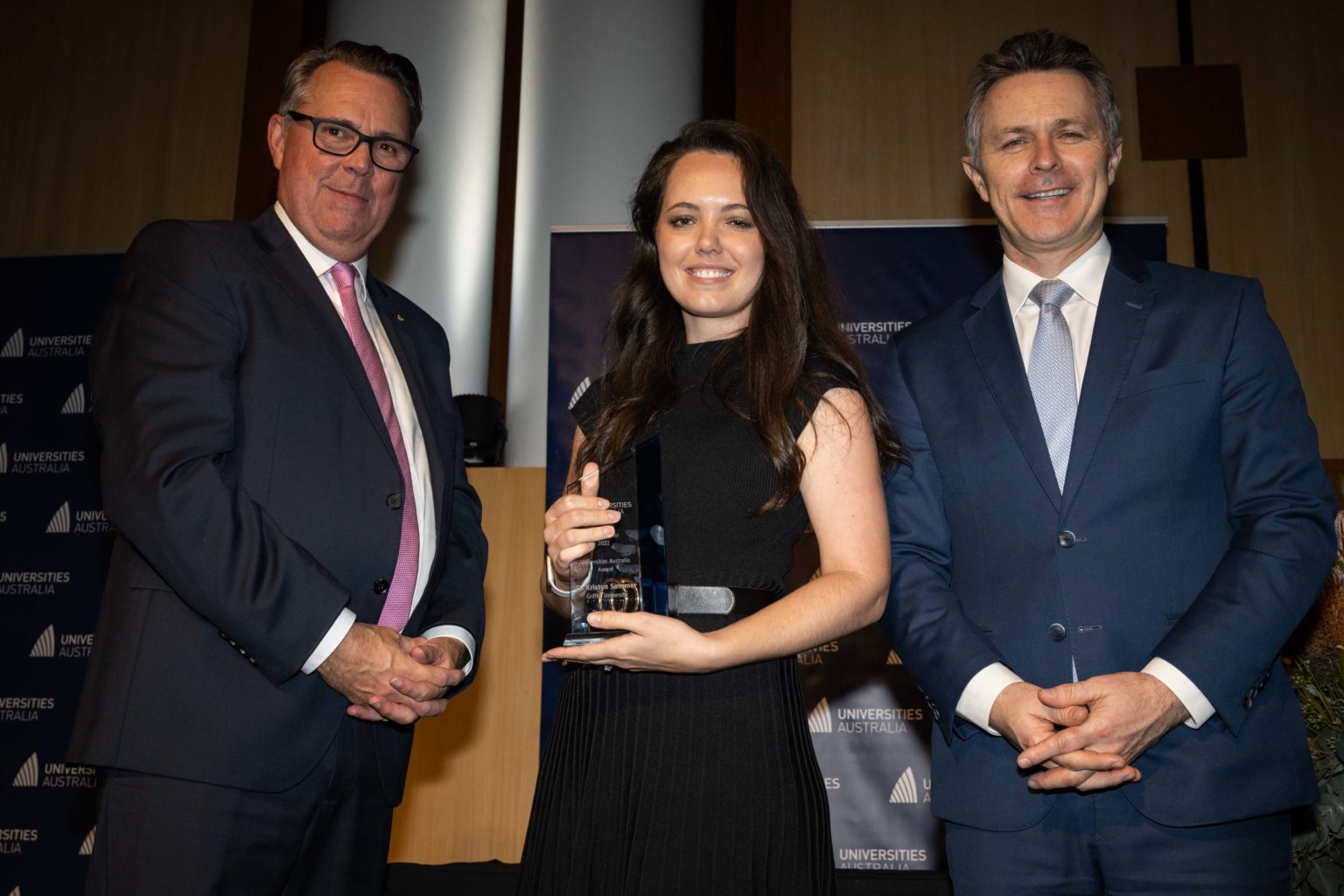
Because there are autistic and ADHD scientists out there who cannot disclose their identity or the support they need to flourish. They fear the stigma. The discrimination. The judgement.
They fear being told they're lazy when, in fact, they work ten times harder than the person next to them.
WHERE I AM NOW
The work right now.
Research belongs to the people who need it.
I'm a Jacobs Foundation Research Fellow, currently based at Griffith University on the Gold Coast, Australia. The fellowship is self-contained: twelve hours of paid research a week, running through 2027. Research is one stream of several (you can find the others on this site). It funds work on how children's individual differences shape what they get from robotic teachers. That's the question I've been circling since I first put an 11-month-old in front of the RUBI robot in San Diego and she walked straight up to the robot and hugged her.
The newer question I've been sitting with is about autistic children specifically. Existing measures of engagement were built for non-autistic kids. An autistic child who is fully absorbed and learning can look, behaviourally, like an inattentive one. That misidentification has consequences. I want to change it. But that takes funding. Applications are under review.
EXPLORE THE RESEARCH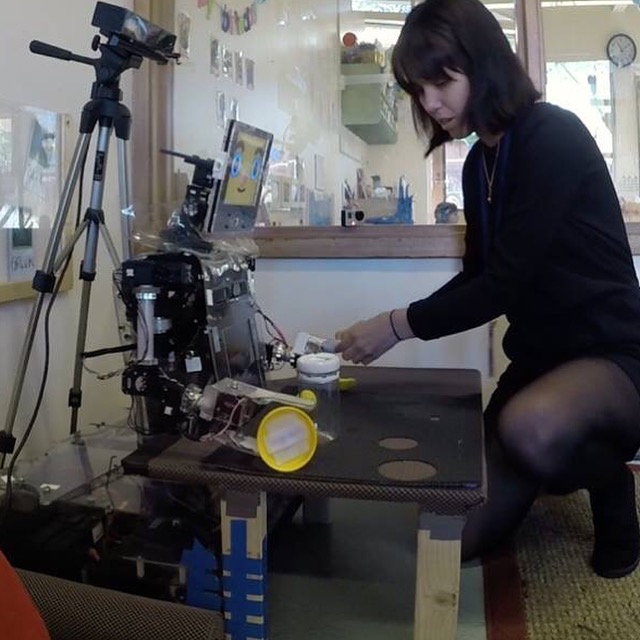
That's the human version. The clean one's still on the CV.